
Credit card debt can feel like a heavy weight. For many, monthly bills keep growing, and paying only the minimum seems endless. If you are struggling, there is hope. Credit card debt relief programs offer ways to reduce debt, lower payments, and regain control. This guide explains these programs simply, so you can understand your options and make smart decisions.
Why Credit Card Debt Is A Problem For Many
Americans owe over $1 trillion in credit card debt, according to the Federal Reserve. High interest rates—often 16% or more—make it hard to pay off balances. Many people fall behind due to unexpected expenses, job loss, or medical bills. When balances rise, stress increases and credit scores drop.
Missing payments can lead to late fees, calls from debt collectors, and even lawsuits.
Most people try to pay off debt themselves, but sometimes that is not enough. Debt relief programs exist to help when you cannot manage payments alone.
Main Types Of Credit Card Debt Relief Programs
There are several ways to get help with credit card debt. Each option works differently. Let’s look at the main programs:
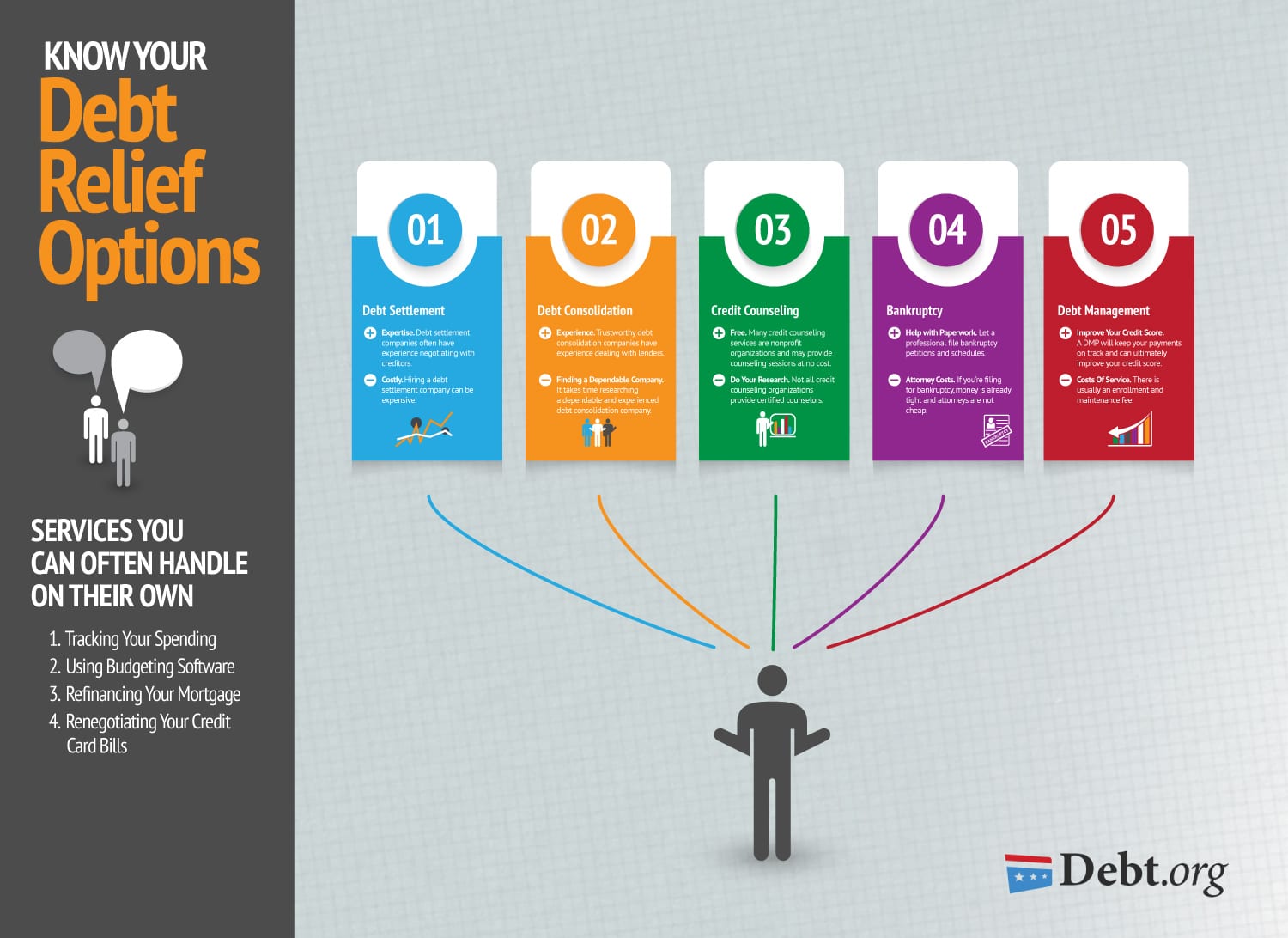
1. Debt Management Plans (dmps)
A debt management plan is offered by non-profit credit counseling agencies. You pay one monthly amount to the agency. They send payments to your creditors. Often, you get lower interest rates and waived fees. Most plans last 3–5 years.
Benefits:
- Lower interest rates
- Stop collection calls
- One monthly payment
- No new loans
Drawbacks:
- Must stop using credit cards
- Some creditors may not agree
- Fees (usually $25–$50/month)
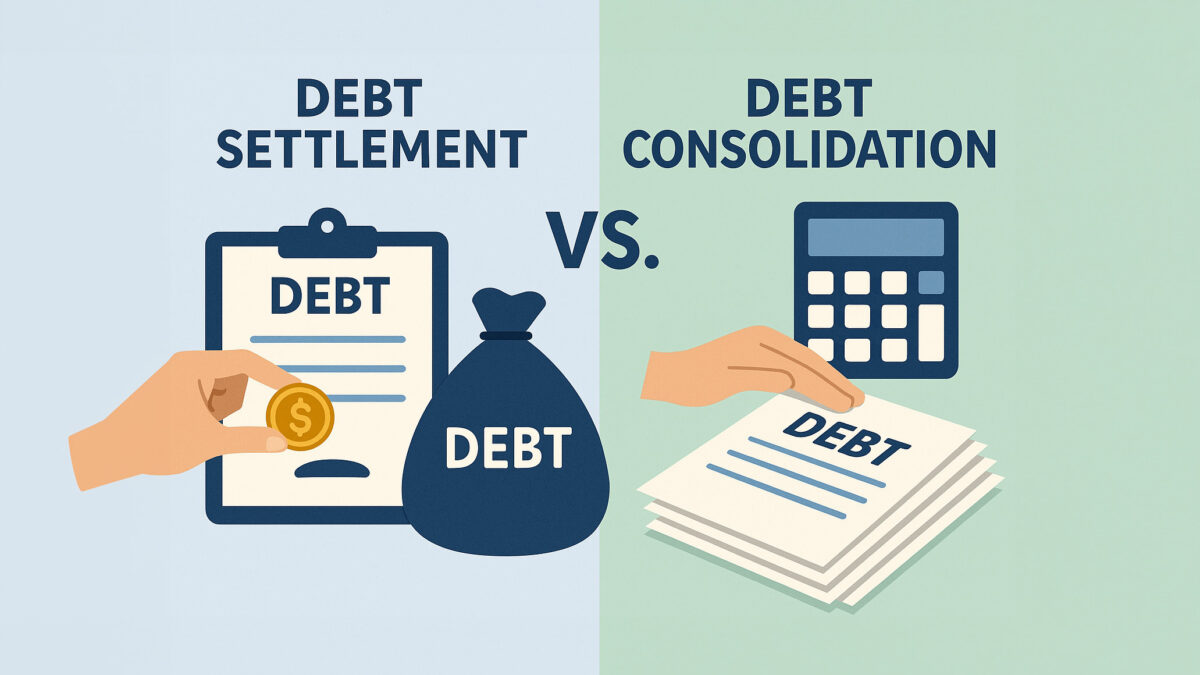
2. Debt Settlement Programs
Debt settlement companies negotiate with your creditors to reduce the amount you owe. You stop paying credit cards and save money in an account. When enough is saved, the company offers a lump sum to settle for less.
Benefits:
- Possible to pay less than owed
- Fast results (12–36 months)
Drawbacks:
- Damages your credit score
- Fees (15–25% of enrolled debt)
- Creditors may refuse
- Risk of lawsuits
3. Credit Counseling
A credit counselor helps you understand your debt and suggests solutions. They may recommend a DMP, budget, or other steps.
Benefits:
- Expert advice
- Free or low cost
- No impact on credit score
Drawbacks:
- May not solve debt alone
- Some agencies charge fees
4. Debt Consolidation Loans
You get a new loan to pay off all credit cards. This loan often has a lower interest rate. You make one payment each month.
Benefits:
- Simplifies payments
- May reduce interest
- Improves cash flow
Drawbacks:
- Need good credit
- Risk of new debt
- Fees and charges
5. Bankruptcy
Bankruptcy clears most debts or creates a plan to repay. There are two main types: Chapter 7 (wipe out debt) and Chapter 13 (repay over time).
Benefits:
- Stops collections
- Fresh start
Drawbacks:
- Major impact on credit
- Costly and public
- Not all debts erased
Comparing Debt Relief Options
Choosing the best program depends on your situation. The table below shows how each option compares:
| Program | Impact on Credit | Cost | Best For |
|---|---|---|---|
| Debt Management Plan | Minor drop, then improvement | $25–$50/month | Steady income, high rates |
| Debt Settlement | Major drop | 15–25% of debt | Unable to pay, large debt |
| Credit Counseling | None | Free/low cost | Early stage debt |
| Debt Consolidation Loan | Minor drop | Interest/fees | Good credit, multiple cards |
| Bankruptcy | Severe drop | $1,000–$3,000 | Extreme cases |
How To Choose The Right Program
Not every program fits every person. Here are steps to decide:
- Assess your debt: List all credit cards, balances, interest rates, and minimum payments.
- Check your credit score: This affects which programs you qualify for.
- Calculate monthly cash flow: Know what you can pay each month.
- Speak with a counselor: Free advice can help you understand options.
- Compare program costs and risks: Look at fees, credit impact, and legal risks.
Non-obvious insight: Many people do not realize that debt settlement can lead to taxes on forgiven debt. The IRS may treat canceled debt as income.
Common Mistakes To Avoid
People often make errors when seeking help:
- Choosing a program without understanding all costs
- Falling for scams—some companies charge high fees and deliver little
- Not reading contracts—terms can hide extra fees
- Missing payments—most plans require strict payment schedules
Another non-obvious tip: Some creditors offer hardship programs directly. Before joining a debt relief program, call your card issuer and ask about options.
Real-life Example: Debt Management Plan Success
Maria owed $15,000 on four credit cards. Her interest rates ranged from 18% to 25%. She contacted a non-profit counselor. They created a DMP, lowering her rates to 7%. Her monthly payment dropped from $450 to $320. Over four years, she paid off all her cards and improved her credit score.
This shows how a DMP can make debt manageable. Not everyone gets such low rates, but counseling agencies often help reduce the burden.
How Debt Settlement Works: Step-by-step
Debt settlement sounds simple, but the process is complex. Here’s how it usually works:
- Enroll with a settlement company
- Stop paying credit cards (this damages your credit)
- Save money in a separate account
- Company negotiates with creditors
- If accepted, pay a lump sum to settle
- Pay company fees
Most settlements are for 40–60% of the original debt. Some creditors refuse to settle. Lawsuits are possible if you stop paying. Debt settlement can be risky, but for some, it is the only option.
Debt Relief Scams: How To Spot Them
Sadly, scammers target people in debt. They promise quick fixes or “guaranteed” results. Watch for:
- High upfront fees
- Pressure to act fast
- No written contract
- Claims to erase debt instantly
Always check if a company is accredited by the National Foundation for Credit Counseling or Better Business Bureau. Read reviews and ask questions. The Federal Trade Commission offers guidance on spotting scams: FTC Guide.
Fees And Costs: What You Really Pay
Debt relief programs have different fees. Compare them carefully. Here’s a summary:
| Program | Typical Fees | Other Costs |
|---|---|---|
| Debt Management Plan | $25–$50/month | Setup fee ($30–$50) |
| Debt Settlement | 15–25% of debt settled | Possible tax on forgiven debt |
| Credit Counseling | Free or $50/session | None |
| Debt Consolidation Loan | Interest (6–15%) | Origination fee (1–5%) |
| Bankruptcy | $1,000–$3,000 | Court fees |
How Debt Relief Affects Your Credit
Debt relief programs can impact your credit score in different ways. Here’s what to expect:
- Debt management plans: May lower score at first, but improve as debts are paid off.
- Debt settlement: Causes a major drop, since you stop payments.
- Debt consolidation loans: Slight drop, but can improve if you pay on time.
- Bankruptcy: Severe drop, stays on your report for up to 10 years.
Tip: Always check your credit report before and after joining a program. Make sure debts are reported correctly.
Is Debt Relief Right For You?
Debt relief is not for everyone. If you can pay off cards within a year, try budgeting or making extra payments. If you are behind or cannot pay at all, relief programs can help. Consider your credit, income, and goals.
Speak with a counselor before deciding.
Practical insight: Some people use a combination of programs—like counseling followed by consolidation. There is no one-size-fits-all solution.
What Happens After Debt Relief?
After finishing a program, your debt is reduced or erased. Now, it is time to rebuild:
- Start saving for emergencies
- Use credit responsibly
- Monitor your credit report
- Avoid new debt
Many people find relief programs are the first step toward financial health. Keep learning and stay disciplined to avoid falling back into debt.
Frequently Asked Questions
What Is The Safest Credit Card Debt Relief Program?
A debt management plan from a non-profit agency is considered the safest. It lowers rates without harming your credit much. Make sure the agency is accredited.
Will Debt Relief Affect My Credit Score?
Most programs affect your credit score. Debt settlement and bankruptcy cause major drops. Debt management plans and consolidation loans have smaller effects. Credit counseling alone does not impact your score.
Are Debt Relief Programs Worth The Fees?
If you cannot pay off debt yourself, the fees may be worth it. Compare costs, risks, and benefits. Avoid programs that demand high upfront fees or make big promises.
Can I Do Debt Relief Myself Without A Company?
Yes, you can try negotiating directly with creditors. Ask for lower rates, payment plans, or hardship programs. Some people succeed, but companies may have more experience.
How Long Does Debt Relief Take?
Most programs last 2–5 years. Debt settlement can be faster (12–36 months). Bankruptcy depends on the type (Chapter 7 takes months, Chapter 13 takes years).
Credit card debt relief programs can help you get back on track. Understanding your options, checking costs, and avoiding scams are key steps. If you feel overwhelmed, seeking help is a smart move. Remember, thousands of people find relief each year.
You can too, with the right plan and discipline.
Read More:
- Best Personal Finance Software: Top Picks to Manage Your Money
- Financial Planning Advisor Near Me: Find the Best Local Experts
- Best Investment Apps for Beginners: Top Picks for 2024
- Retirement Planning Calculator Online: Secure Your Future Today
- Wealth Management Services for Beginners: Your Essential Guide
- Small Business Loan Pre Approval: Boost Your Funding Success
- Best Personal Loan Rates: How to Secure the Lowest APRs Today
- Home Equity Loan Rates Comparison: Find the Best Deals Today