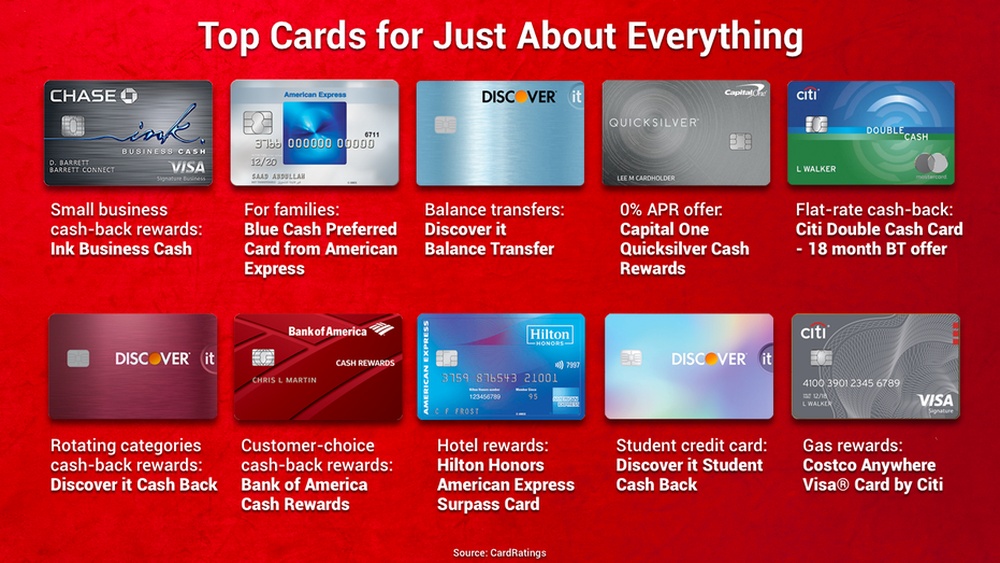

If you have excellent credit, you have more options than most people. Credit card companies see you as low-risk, so you get access to the best rewards, lowest rates, and valuable perks. But choosing the right card isn’t always simple. There are dozens of choices, and each card focuses on different benefits—travel, cash back, balance transfers, or luxury perks. If you know your needs, you can pick a card that truly matches your lifestyle and maximizes your value.
This guide will help you understand what makes a credit card “best” for excellent credit, compare top cards, and spot hidden opportunities. Whether you want rewards, flexible benefits, or premium treatment, you’ll find clear answers here.
What Makes A Credit Card “best” For Excellent Credit?
If your credit score is above 740, you’re in the “excellent” range. Banks and issuers compete for your business, so their best cards offer:
- High rewards rates (cash back, points, miles)
- Low APRs (sometimes 0% intro offers)
- Premium perks (airport lounge access, travel insurance)
- Flexible redemption options
- Generous sign-up bonuses
But “best” depends on your goals. Some people want cash back for everyday spending. Others want to travel for free. Some want luxury perks or simple low rates. It’s important to match the card’s features to your habits.
Top Credit Cards For Excellent Credit
Let’s look at some of the most recommended cards in the US for people with excellent credit. You’ll see their main features, rewards, fees, and unique benefits.
| Card Name | Rewards | Annual Fee | Sign-Up Bonus | Best For |
|---|---|---|---|---|
| Chase Sapphire Preferred | 2x points travel/dining | $95 | 60,000 points | Travel rewards |
| Capital One Venture Rewards | 2x miles everywhere | $95 | 75,000 miles | Flexible travel |
| Citi Double Cash | 2% cash back | $0 | N/A | Simple cash back |
| American Express Platinum | 5x points travel | $695 | 80,000 points | Luxury perks |
| Discover it Cash Back | 5% rotating categories | $0 | Cash back match | Max cash back |
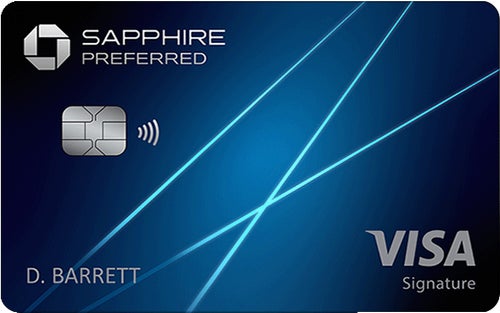
Chase Sapphire Preferred® Card
This card is popular among travelers. You earn 2x points on travel and dining, and 1x on other purchases. The points can be transferred to airline and hotel partners, often at better rates. The sign-up bonus is strong: 60,000 points (worth about $750 in travel) after you spend $4,000 in the first 3 months.
Annual fee is $95, but the value can quickly outweigh it if you travel often. Perks include travel insurance and no foreign transaction fees. If you prefer flexibility and good rewards, Sapphire Preferred is a top choice.
Capital One Venture Rewards Card
With the Venture card, you earn 2x miles on every purchase—no categories, no limits. Miles can be used to book travel or erase travel purchases. The sign-up bonus is 75,000 miles (worth $750) after $4,000 spend in 3 months.
Annual fee is $95. Other perks include Global Entry/TSA PreCheck fee credit and no foreign transaction fees. This card is ideal if you want simple rewards and easy travel booking.
Citi Double Cash Card
If you prefer cash back, Citi Double Cash is hard to beat. You earn 2% cash back on everything: 1% when you buy, 1% when you pay. There’s no annual fee.
You don’t get fancy perks, but the rewards are simple and reliable. It’s great for people who don’t want to track categories or redeem points.
American Express Platinum Card
This is a premium card with luxury benefits. You earn 5x points on flights and hotels booked through Amex Travel. The sign-up bonus is 80,000 points after $8,000 spend in 6 months (worth over $1,000 in travel).
Annual fee is high at $695, but you get airport lounge access, hotel elite status, $200 airline fee credit, and more. If you travel often and enjoy premium treatment, Platinum is a leading option.
Discover It Cash Back
This card gives 5% cash back in rotating categories (like groceries, gas, Amazon) up to $1,500 per quarter, and 1% everywhere else. No annual fee. The unique feature: all cash back earned in your first year is matched, doubling your rewards.
Great for people who want to maximize cash back and don’t mind activating categories.
Comparing Rewards And Costs
Choosing the best card means looking at both rewards and costs. Some cards have high fees but amazing perks. Others are free but offer less value.
Here’s a side-by-side comparison of rewards and fees:
| Card | Annual Fee | Estimated Value per Year* | Special Perks |
|---|---|---|---|
| Chase Sapphire Preferred | $95 | $1,000+ | Travel insurance, transfer partners |
| Capital One Venture | $95 | $800+ | Global Entry/TSA PreCheck credit |
| Citi Double Cash | $0 | $600+ | Simple cash back, balance transfer |
| Amex Platinum | $695 | $1,500+ | Lounge access, hotel status |
| Discover it Cash Back | $0 | $400+ | Cash back match first year |
*Estimated value depends on spending habits and perks used.
Hidden Insights: What Beginners Often Miss
Many beginners with excellent credit overlook two important factors:
- Redemption flexibility: Some cards let you transfer points to airlines or hotels. These transfers can give much higher value per point (sometimes double) compared to booking through the issuer’s portal.
- Perks beyond rewards: Cards like Amex Platinum offer benefits that aren’t obvious, such as travel insurance, purchase protection, and elite hotel status. These can save hundreds of dollars, but only if you use them.
It’s wise to read the fine print and check how you’ll actually use the perks. Sometimes, a card with a high annual fee is worth it if you use the benefits—other times, a simple cash back card makes more sense.
Factors To Consider When Choosing A Card
When you choose a credit card for excellent credit, think about:
- Your spending habits: Do you spend more on travel, dining, groceries, or everything equally?
- Annual fees: Can you offset the fee with rewards and perks? Cards with high fees are only worth it if you use their benefits.
- Redemption options: Do you want cash back, travel, or luxury perks? Some cards are more flexible than others.
- Intro offers: Sign-up bonuses can be valuable, but only if you meet the spending requirement.
- Customer service: Some issuers have better support and security than others.
Here’s a quick example. If you travel often and value airport lounges, Amex Platinum is a good pick. If you mostly want cash back with no hassle, Citi Double Cash or Discover it are better.
Common Mistakes To Avoid
People with excellent credit sometimes make these mistakes:
- Ignoring annual fees: Don’t just pick the card with the biggest bonus. Make sure the rewards and perks offset the fee.
- Not redeeming points smartly: Using points for cash or gift cards is often less valuable than travel transfers.
- Applying for too many cards at once: This can lower your credit score temporarily and make you look risky to lenders.
- Missing activation for rotating categories: Cards like Discover it require you to activate categories every quarter.
If you avoid these mistakes, you’ll get better value and protect your credit.

Data: Who Uses These Cards?
According to the Federal Reserve, about 22% of US households have excellent credit scores. Most choose rewards cards, but many still pay high fees for perks they don’t use.
A 2023 study by J.D. Power showed that users with excellent credit are more likely to:
- Use premium cards (with annual fees over $400)
- Redeem points for travel rather than cash
- Take advantage of perks like lounge access and insurance
But many also leave rewards unused. It’s important to check your statement and redeem regularly.
Practical Tips For Maximizing Credit Card Value
If you want the most from your card:
- Use your card for everyday spending (but pay in full monthly)
- Take advantage of sign-up bonuses—plan your spending to meet requirements
- Activate bonus categories if your card has them
- Transfer points to partners for higher value (if your card allows)
- Use perks like travel insurance, purchase protection, and airport lounges
Many people miss out by not using these features. If you travel, check your card for lounge access and priority boarding. If you shop online, use purchase protection for extra security.
Comparing Cards For Specific Needs
Some cards are best for certain lifestyles. Here’s how they stack up:
| Card | Best For | Top Feature | Drawback |
|---|---|---|---|
| Chase Sapphire Preferred | Travel & dining | Transfer partners | Annual fee |
| Capital One Venture | Flexible travel | Simple rewards | Annual fee |
| Citi Double Cash | Cash back | 2% on all purchases | No premium perks |
| Amex Platinum | Luxury travel | Lounge access | High annual fee |
| Discover it Cash Back | Category rewards | Cash back match | Quarterly activation |
Pick a card that matches your top spending category. For example, if you dine out and travel, Sapphire Preferred is strong. If you want pure cash back, Double Cash is easy.
How To Apply And Get Approved
If you have excellent credit, your chances of approval are high. But here are a few tips:
- Check your credit score before applying
- Make sure your income and employment info is accurate
- Avoid applying for multiple cards in a short time
- Read the card’s terms, especially for bonuses
Many issuers let you pre-qualify online, which won’t affect your score. If you get denied, ask for reconsideration—sometimes a phone call can help.
Frequently Asked Questions
What Credit Score Is Considered “excellent”?
A score of 740 or higher is considered excellent by most banks. Some cards require 800+, but most top cards accept 740+.
Can I Get Premium Cards If My Credit Is Excellent But My Income Is Low?
Yes, but some premium cards (like Amex Platinum) ask for higher income. If your credit is strong but income is modest, choose cards with lower fees or cash back options.
Are Annual Fees Always Worth It For Premium Cards?
Only if you use the perks. For example, lounge access and travel credits can offset fees, but if you don’t travel much, a no-fee card is better.
How Do I Maximize Rewards On A Travel Card?
Use your card for travel and dining, transfer points to partners, and take advantage of sign-up bonuses. Always pay in full to avoid interest.
Is It Safe To Apply For Multiple Cards?
It’s safe if you space applications and pay on time. Too many applications at once can lower your score temporarily. Aim for one new card every 6–12 months.
If you use your excellent credit wisely, you’ll unlock the best rewards, perks, and experiences. Always read the terms, compare options, and choose a card that fits your spending style. For more details on credit card statistics, visit Federal Reserve.
Read More:
- Best Personal Finance Software: Top Picks to Manage Your Money
- Financial Planning Advisor Near Me: Find the Best Local Experts
- Best Investment Apps for Beginners: Top Picks for 2024
- Retirement Planning Calculator Online: Secure Your Future Today
- Wealth Management Services for Beginners: Your Essential Guide
- Small Business Loan Pre Approval: Boost Your Funding Success
- Best Personal Loan Rates: How to Secure the Lowest APRs Today
- Home Equity Loan Rates Comparison: Find the Best Deals Today