
Wealth management can feel complicated, especially if you’re just starting out. Many beginners think it’s only for the rich, but that’s not true. Today, more people use wealth management services to grow their money, protect their future, and make smart financial decisions—even if they have modest savings.
This article explains what wealth management is, how it works, and what beginners need to know before choosing services. You’ll learn about key strategies, common mistakes, and how to compare providers. The goal is to help you feel confident and informed about starting your wealth management journey.
What Is Wealth Management?
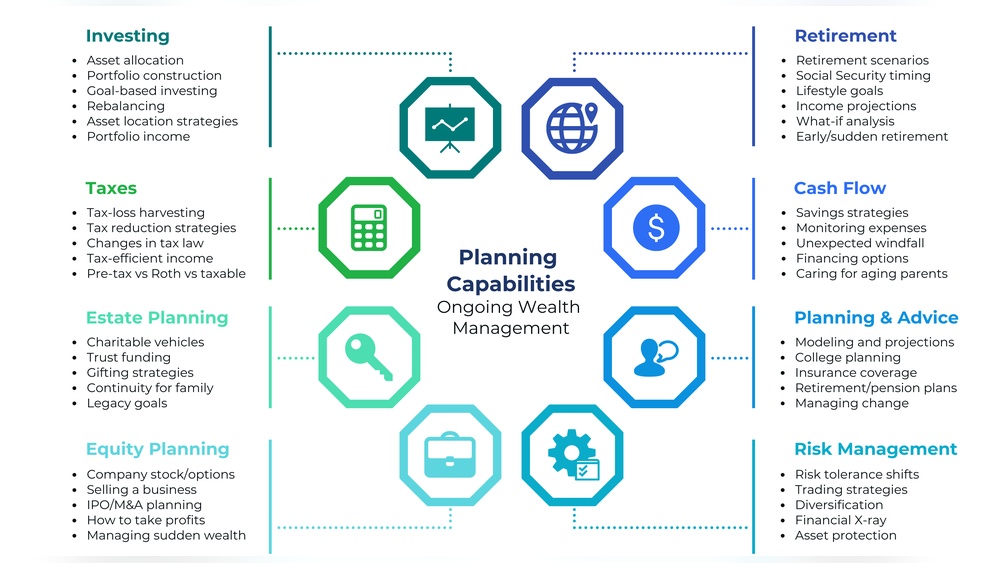
Wealth management is a set of financial services designed to help you manage, grow, and protect your money. These services include investment advice, financial planning, retirement planning, tax strategies, and sometimes estate planning. Professionals in this field are called wealth managers or financial advisors.
Unlike simple banking or investing, wealth management looks at your whole financial life. For example, if you want to save for a house, your child’s college, and retirement, a wealth manager helps you create a plan for all three goals.
Who Needs Wealth Management?
Many beginners believe wealth management is only for millionaires. While high-net-worth individuals do use these services, many firms now offer solutions for people with less money—sometimes as little as $10,000 to invest. If you want help managing your finances, making smart investments, or planning for big life events, you may benefit from wealth management.
Key Components Of Wealth Management
A good wealth management service covers several important areas. Here are the main parts:
- Investment Management: Advisors help you choose stocks, bonds, funds, or other investments based on your risk tolerance and goals.
- Financial Planning: This includes budgeting, saving, setting goals, and creating a roadmap for your future.
- Retirement Planning: Wealth managers help you prepare for retirement by estimating how much you’ll need and suggesting ways to grow your savings.
- Tax Planning: Professionals find legal ways to reduce your tax bill and increase your returns.
- Estate Planning: Some services include advice on wills, trusts, and passing assets to heirs.
Not all firms offer every service. Beginners should look for solutions that fit their needs.

How Wealth Management Works
Most wealth management services begin with an assessment. The advisor asks about your financial goals, income, expenses, debts, assets, and risk tolerance. Based on this information, they create a personalized plan.
You’ll usually meet with your advisor regularly—sometimes every quarter or once a year—to review your progress and adjust your plan. Wealth managers may charge a flat fee, a percentage of assets managed (often 0. 5% to 1. 5% per year), or hourly rates.
Typical Steps In Wealth Management
- Initial Consultation: Discuss your goals and financial situation.
- Plan Creation: Advisor builds a custom strategy.
- Implementation: Start investing, saving, or making changes.
- Monitoring & Adjustments: Review regularly and update as needed.
Types Of Wealth Management Providers
There are several types of providers, each with different strengths and weaknesses. Here’s a comparison of the main options:
| Type | Minimum Investment | Fee Structure | Typical Services |
|---|---|---|---|
| Traditional Firms | $100,000+ | 1%–2% of assets | Full service, personal advisor |
| Online Platforms | $0–$10,000 | 0.25%–0.75% of assets | Automated, limited advisor access |
| Robo-Advisors | $500–$5,000 | 0.15%–0.40% of assets | Algorithm-based, low-cost |
| Independent Advisors | $10,000+ | Hourly or flat fee | Custom plans, flexible |
For beginners, robo-advisors and online platforms are often affordable and easy to use.
Comparing Wealth Management Services
Choosing the right provider is important. Consider these factors:
| Factor | Why It Matters | What to Look For |
|---|---|---|
| Fees | High fees reduce your returns | Clear pricing, low ongoing fees |
| Minimum Investment | Some firms require large amounts | Fits your current savings |
| Service Quality | Personalized advice can help more | Access to real advisors |
| Technology | Easy-to-use platforms save time | Mobile apps, online dashboards |
| Reputation | Trusted firms are safer | Strong reviews, regulated |
Don’t just focus on price. Look for a provider that matches your comfort level and needs.
Common Wealth Management Strategies
Beginners often use simple, proven strategies. Here are a few:
- Diversification: Don’t put all your money in one investment. Spread it across stocks, bonds, and other assets.
- Goal-Based Planning: Set clear goals—such as buying a home, saving for education, or retirement—and plan for each separately.
- Regular Contributions: Add money to your accounts monthly or quarterly. This builds wealth over time.
- Risk Management: Choose investments that fit your risk tolerance. If you’re nervous about losing money, stick with safer options.
- Tax Efficiency: Use tax-advantaged accounts like IRAs and 401(k)s to reduce your tax bill.
Example: Diversification In Action
Imagine you invest $10,000. Instead of buying only one stock, you split it:
- $4,000 in a broad stock market fund
- $3,000 in bonds
- $2,000 in real estate investment trusts (REITs)
- $1,000 in cash or savings
If stocks fall, bonds or real estate may hold value, balancing your risk.
:max_bytes(150000):strip_icc()/asset-management-companies-forbeginners-4048203-FINAL2-dfeda8bfbcab4c90afce8f80b4734597.png)
Mistakes Beginners Often Make
Starting out, it’s easy to make errors. Here are some common mistakes—and how to avoid them:
- Chasing Hot Investments: Don’t buy what’s popular just because it’s trending. Do your research.
- Ignoring Fees: Small fees add up over time. Always check what you’re paying.
- Not Setting Goals: Without clear goals, you may make poor decisions or lose motivation.
- Overconfidence: Beginners sometimes think they can beat the market. Stick to proven strategies.
- Avoiding Professional Advice: Some people try to do everything themselves. Even basic advice can help avoid costly errors.
Non-obvious Insight: The Emotional Side
Many beginners don’t realize that emotions—like fear, greed, or impatience—can hurt their results. Having a wealth manager keeps you on track and helps avoid emotional decisions.
Getting Started: Practical Steps For Beginners
If you’re ready to begin, follow these steps:
- Define Your Goals: List what you want to achieve—retirement, home, education, travel.
- Check Your Finances: Review income, expenses, debts, assets, and savings.
- Research Providers: Compare options using the tables above.
- Ask Questions: Contact providers and ask about fees, services, and minimums.
- Start Small: You don’t need a huge investment. Begin with what you have.
- Monitor Progress: Review your plan regularly and adjust as needed.
Non-obvious Insight: Check Regulation
Not all wealth managers are regulated. In the US, look for advisors registered with the SEC or FINRA. This protects you from fraud and bad advice.

Real-life Example: Starting With A Robo-advisor
Let’s say you’re 30 years old, have $7,000 in savings, and want to start investing. You choose a robo-advisor, pay 0.25% annual fees, and answer questions about your risk tolerance. The platform invests your money in a mix of stocks and bonds. You set a goal: reach $50,000 in 10 years. Each month, you add $200.
Over time, you see your portfolio grow, and the robo-advisor adjusts your investments as needed. You get reports and can check your progress anytime.
Is Wealth Management Worth It For Beginners?
For many beginners, wealth management is a smart move. It helps you avoid mistakes, reach your goals faster, and feel less stressed about money. Even if you start with a small amount, having a plan and professional support can make a big difference.
If you want to learn more about how wealth management works and see global trends, check out this Wikipedia overview.
Frequently Asked Questions
What’s The Difference Between Wealth Management And Financial Planning?
Wealth management covers a wider range of services, including investments, taxes, estate planning, and more. Financial planning usually focuses on budgeting, saving, and goal-setting. Wealth management is more comprehensive.
How Much Money Do I Need To Start Wealth Management?
Many providers now accept clients with $500–$10,000. Traditional firms may require $100,000 or more. Beginners can use robo-advisors or online platforms with low minimums.
Are Robo-advisors Safe?
Yes, most robo-advisors are regulated and use secure technology. They follow strict rules to protect your money. Always check if the provider is registered with financial authorities.
How Do Wealth Managers Charge Fees?
Most charge a percentage of assets (like 1% per year), but some offer flat fees or hourly rates. Always ask about fees upfront and compare options.
Can I Use Wealth Management If I Have Debt?
Yes, wealth managers can help you create a plan to pay off debt and start investing. It’s important to balance debt repayment with saving and investing for your future.
Starting your journey with wealth management can seem intimidating, but with the right information and a clear plan, you can take control of your financial future. Remember: even small steps today can lead to big results tomorrow.
Read More:
- Best Personal Finance Software: Top Picks to Manage Your Money
- Financial Planning Advisor Near Me: Find the Best Local Experts
- Best Investment Apps for Beginners: Top Picks for 2024
- Retirement Planning Calculator Online: Secure Your Future Today
- Small Business Loan Pre Approval: Boost Your Funding Success
- Best Personal Loan Rates: How to Secure the Lowest APRs Today
- Home Equity Loan Rates Comparison: Find the Best Deals Today
- Debt Consolidation Loan Online: Simplify Your Finances Today